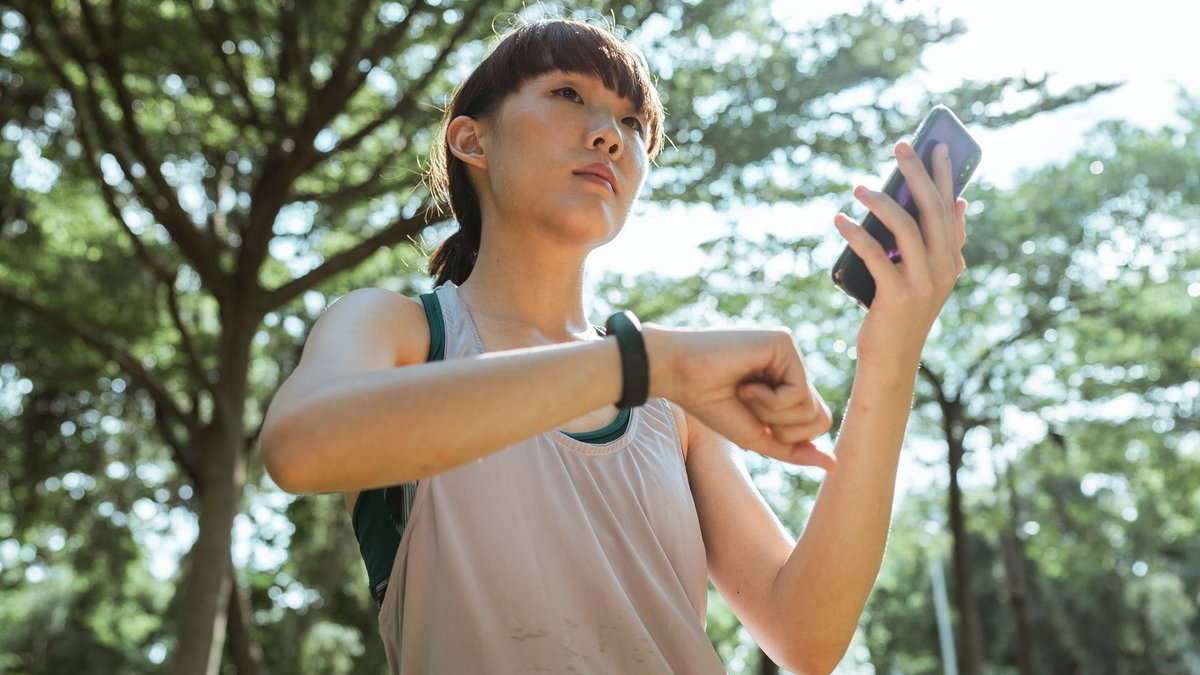
When Samsung’s Galaxy Watch9 arrived, the decision to test it for a 30-day period was driven by a desire for tangible data rather than speculation. The device was selected as a tool to help measure daily movement and monitor sleep patterns, aiming to provide a clear picture of health habits rather than vague impressions. After the trial period, the owner of the device expressed a willingness to purchase the watch with personal funds, citing the utility of tracking activity and maintaining accountability as key factors in the decision. Sandy Pierre is the Branded Execution Manager at Refinery29 Unbothered and a contributing writer covering travel, lifestyle, and culture.
Features and Functionality
The Galaxy Watch9 is designed as a smartwatch that tracks everyday activity, workouts, and sleep. It features a slim profile and a lightweight feel, which the user noted as a benefit for all-day wear. Beyond basic fitness tracking, the device includes wellness tools such as Vitals and a Heart Health Score. These features allow users to view routine data in one place without requiring specialized knowledge of fitness metrics.
During the 30-day trial, the primary focus was on step counts, with a daily goal set at 10,000 steps. The watch provided real-time updates, allowing the user to monitor progress throughout the day without needing to check a phone. This immediate feedback loop expanded beyond steps to include daily activity, estimated calories burned, heart-related metrics, and sleep patterns.
Automatic activity recognition was a noted benefit, as the watch detected exercises like jogging and swimming without manual input. This reduced the friction of starting a workout log. However, the user acknowledged that the watch was not always worn, sometimes being removed for showers or due to outfit choices, which occasionally led to missed sleep tracking or gym sessions.
Read Also: Charlotte Tilbury’s holiday sale highlights discounted favorites
Use Case and Value
At a starting price of $379.99 for the Bluetooth model, the cost varies by size and connectivity options. The owner concluded that the value proposition lay in the frequency of use and the relevance of the information provided. They stated that they would spend their own money on the device, noting that it filled a specific need for tracking activity and maintaining accountability.
Compatibility and Conclusion
Purchasing the Galaxy Watch9 requires phone compatibility, particularly with Samsung Galaxy devices, as certain features like Vitals rely on a compatible smartphone. The user emphasized that phone support should be verified before buying to ensure the full suite of features is accessible.
After 30 days, the owner reported that the Galaxy Watch9 was worth the investment. The movement reminders and automatic workout recognition provided support without demanding excessive management.


