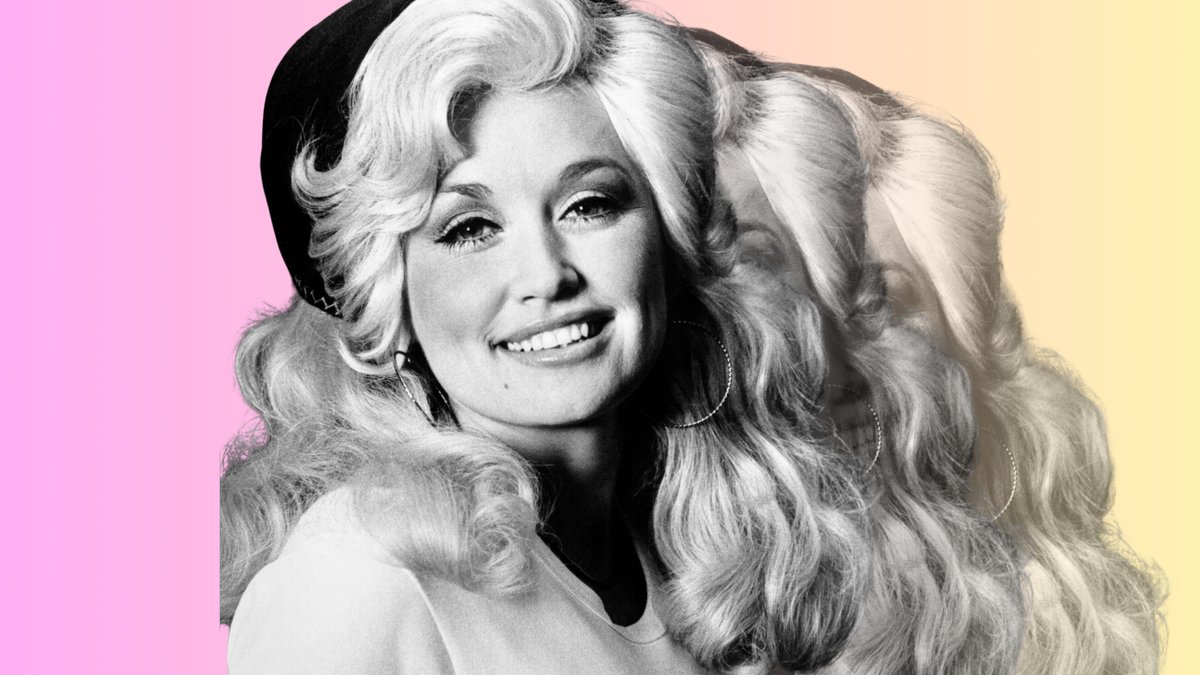
Aunt Dolly Was Enough
Dolly Parton: A Mother to Millions
In the depths of sorrow, many turn to music for comfort. For me, each heartbreak has its own soundtrack, filled with songs that picked me up off the bathroom floor and artists whose voices became the unknowing soundtrack to my grief. These sonic moments of comfort are deeply personal, shared between you, your headphones, and your tears. One constant in my life has been the music of Dolly Parton.
Parton, who passed away this week, was a fixture in pop culture that felt like family. Like many, I grew up listening to her music and found comfort in her songs during difficult times. After my first pregnancy loss, I’d go on long walks, crying and grieving, with her voice as my companion. Her music was a source of solace, a reminder that my loneliness wasn’t singular.
Related: Northolt’s Glowing Gems: Illuminating Love’s Journey
Her impact extends far beyond music. As explored in a WNYC podcast series, her influence has stretched from her poor Appalachian upbringing to her country roots and global appeal. She was an elder who adapted to the times, a celebrity who spoke her mind and stood up for the less fortunate. She was a rich white lady who could have been a billionaire but chose to be a philanthropist instead, leading with empathy.
However, society often values women based on their reproductive systems, with motherhood seen as a woman’s most virtuous achievement. Yet, Parton chose not to have biological children. Despite this, she was a mother to millions, providing hundreds of millions of books to children through her Imagination Library and supporting the LGBTQ+ and Black communities.
Parton’s Views on Motherhood
Parton spoke about motherhood with irreverent honesty, wit, wisdom, and humility. In an interview for Interview Magazine, she said, “I couldn’t have children, I tried to for years. I’ve never been pregnant in my life. When I was a girl and fooling around, I was scared to death I’d get pregnant, and then when I got married and wanted to have children, I couldn’t have any. But I don’t miss it. I did for awhile, but I realize that I am everybody’s mother. I’ve raised five of my younger brothers and sisters, and now their kids call me Aunt Grannie. I’m like the grandma and the aunt.”


