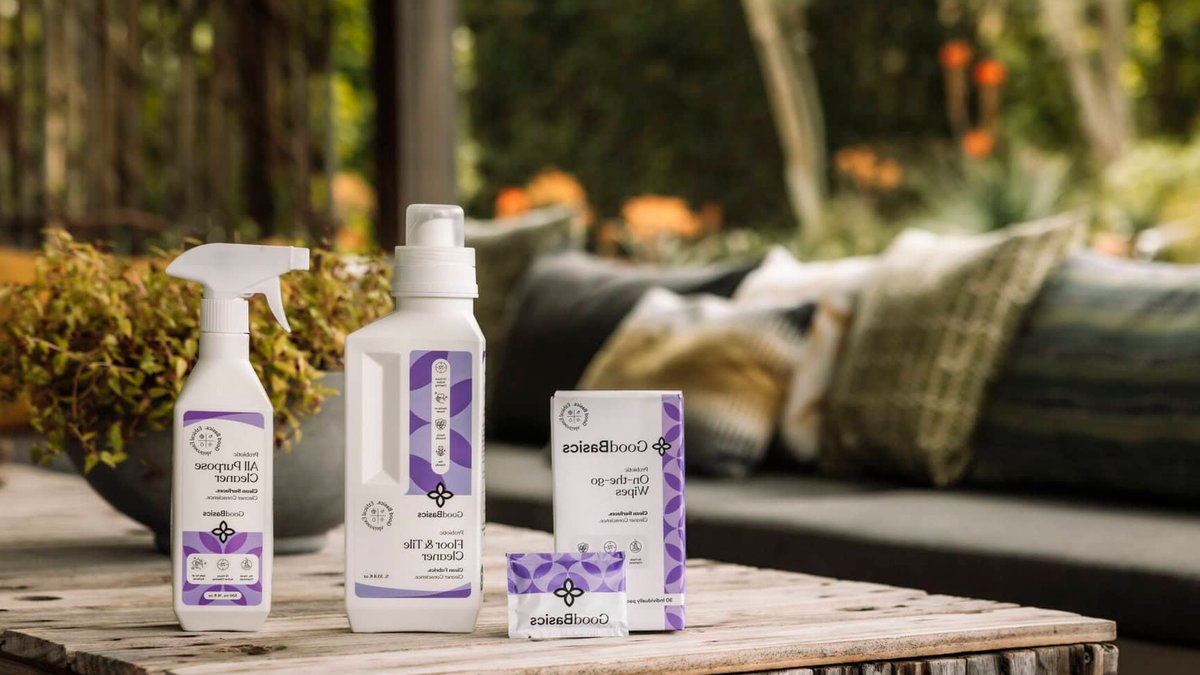
The idea of a clean home has long centered on eradicating bacteria, but emerging research challenges that assumption. Scientists now highlight how microbial communities inside homes—known as the indoor microbiome—contribute to health, much like the bacteria found in the gut or on skin. Yet common cleaning practices, from disinfectants to damp cloths, disrupt these ecosystems in ways that remain poorly understood.
For years, the prevailing belief was that fewer microbes equaled a healthier living space. Antibacterial sprays, disinfectants, and sterilizing wipes became essential, especially during the pandemic. However, research into indoor environments is now prompting a more subtle conversation. Rather than thinking of every microorganism as something that needs to be destroyed, scientists are increasingly studying how cleaning practices, building materials, ventilation, and the people living within a space influence its microbial make-up. That doesn’t mean abandoning hygiene. Effective cleaning still matters, particularly in high-use spaces such as kitchens and bathrooms. The point is not to clean less, but to move away from the idea that effective cleaning has to mean chemically sterilising every surface.
Dan Nash of South African home-care brand GoodBasics explains that people have been led to believe fewer microorganisms mean cleaner, healthier homes. The science around microbial life is encouraging us to look at that idea differently. Cleaning, done the way nature intended, means working with these living environments, not against them.
Why over-cleaning harms your home’s microbiome
One persistent misconception is that more disinfectant guarantees a cleaner home. Many products function optimally at specific concentrations, and overuse can leave behind harmful chemical residues while destroying helpful bacteria. Thorough cleaning of high-use areas like kitchen counters or bathroom sinks does not require sterilizing every surface. The objective is not total elimination, but maintaining a balanced microbial environment.
Even cleaning tools can unintentionally spread bacteria. Kitchen sponges, dishcloths, and mops, when left damp or reused repeatedly, become reservoirs for microbes rather than removing them. Wiping with a damp cloth across multiple surfaces does not just clean; it redistributes microbes from one area to another. Proper drying, regular washing, and replacing worn tools are more effective than relying on additional cleaning products.
Read Also: Beauty Executives Gather in London to Discuss Supply Chains
Moisture and airflow also influence microbial growth in ways often overlooked. Poor ventilation in bathrooms or steam-filled kitchens creates ideal conditions for unwanted microbes. Opening windows, using exhaust fans, and repairing leaks are essential not just for comfort but for managing the home’s microbial balance. The physical environment plays as significant a role as the chemicals used in cleaning.
Shifting trends: probiotics and smarter cleaning
Most consumers still select cleaning products based on what they remove, grease, stains, or germs, without considering their impact on the broader ecosystem. This mindset is beginning to change, mirroring shifts in food and skincare toward greater ingredient transparency. Some brands now emphasize reintroducing beneficial microbes through enzymes and probiotics, which break down dirt while supporting a healthier indoor environment.
The indoor microbiome extends well beyond surfaces like kitchen counters and bathroom tiles. Fabrics, especially upholstery, bedding, and curtains, host diverse ecosystems shaped by human activity. Dust, pet dander, and airborne bacteria settle into fibers, creating microhabitats where certain microbes persist longer than on hard surfaces. Unlike nonporous materials, fabrics trap moisture and organic debris, accelerating microbial growth if not laundered or aired regularly. Vacuuming with a HEPA filter reduces dust-borne microbes but may also redistribute them if the filter is not cleaned or replaced. Synthetic fabrics treated with antimicrobial coatings suppress both beneficial and harmful bacteria, disrupting the balance over time.
Air circulation within a home adds complexity to microbial management. Heating and cooling systems regulate temperature but also filter or recirculate airborne particles, including skin flakes, pollen, and microbial fragments. A poorly maintained HVAC system can become a breeding ground for mold and bacteria, dispersing spores through ducts. Even air purifiers, when overused or improperly maintained, may fail to distinguish between harmful and harmless microbes, skewing the indoor ecosystem. Building materials also influence microbial habitats: porous surfaces like wood or natural stone harbor microbes differently than sealed plastics or ceramic tiles, affecting how cleaning methods should be adapted.


